
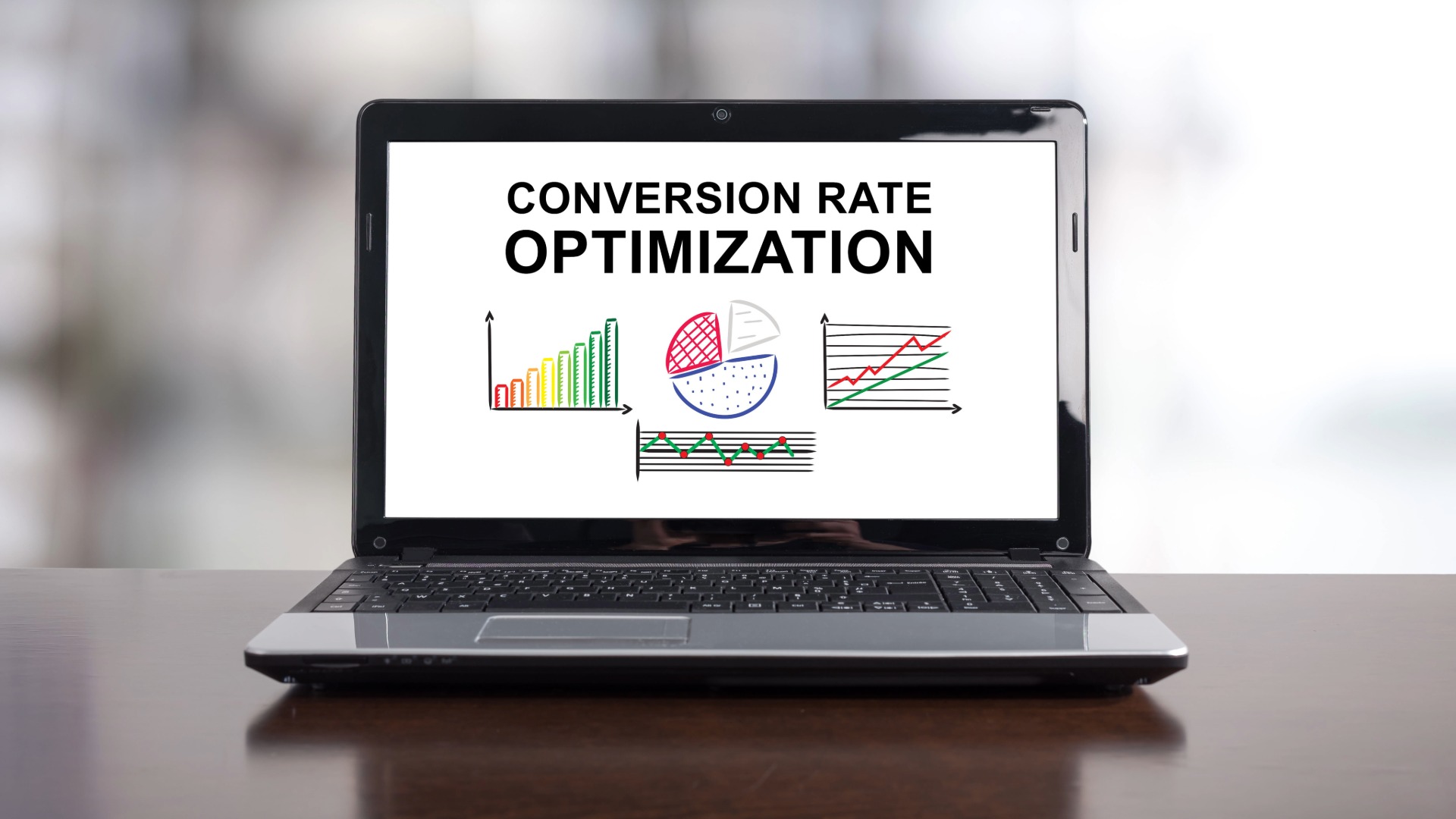
A conversion rate optimization team strips a page down to a single clean call to action. An SEO team wants the same page loaded with supporting content, internal links, and enough depth to rank for a cluster of related queries. Both goals are legitimate. They frequently want different pages. Understanding where CRO and SEO genuinely conflict, and where the conflict is actually imaginary, saves a lot of wasted internal debate.
Where CRO and SEO Actually Conflict
Above-the-fold real estate is the most common battleground. A CRO-optimized landing page often minimizes text in favor of a hero image and a button, while SEO generally rewards enough substantive content for Google to understand what the page is about and rank it for a reasonable spread of queries. Similarly, aggressive CRO tactics like hiding content behind accordions to reduce visual clutter can, depending on implementation, affect how thoroughly that content gets weighted, and multi-step forms designed to reduce friction sometimes strip out the descriptive text that would otherwise help a page rank at all.
Where CRO and SEO Reinforce Each Other
The overlap is bigger than the conflict, and it is worth naming clearly. Faster page load times help both conversion rate and rankings. Clear, benefit-focused headlines that improve on-page engagement also tend to reduce bounce and improve dwell time, both of which likely factor into the same click-based signals covered in the leaked API documentation; our breakdown of the google api leak findings summary covers how deeply engagement metrics appear to be baked into modern ranking systems. Genuinely useful, well-organized content tends to convert better and rank better simultaneously, since both disciplines ultimately reward pages that actually help the person reading them.
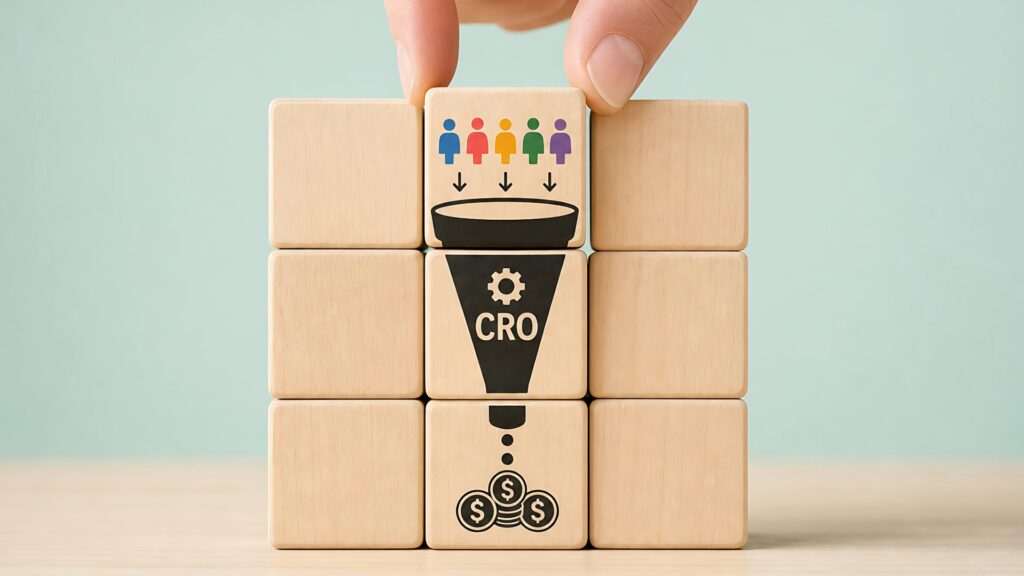
How to Test CRO and SEO Tradeoffs Instead of Guessing
Rather than picking a side by internal politics, run a split test with conversion rate and organic ranking as two separate tracked outcomes on the same variant. This reveals the actual tradeoff curve rather than an assumed one; some pages will show a genuine tension worth navigating deliberately, while others show no meaningful tradeoff at all, in which case the debate was never necessary. We take the same approach in emerging measurement territory too, where the tools themselves are new enough that best practice is not settled; a growing set of llm rank tracking tools now exist specifically to measure a page's visibility in AI answers alongside its traditional ranking, and testing across both is quickly becoming standard practice rather than optional.
A Practical Resolution
For high-intent commercial pages carrying real conversion pressure, lean CRO and accept a narrower ranking footprint, since these pages usually target one or two specific queries anyway. For informational and top-of-funnel pages, lean SEO, since their entire job is capturing a wide spread of related search demand before a conversion is even the goal. Segmenting a site's page types this way, rather than applying one universal template everywhere, resolves most of the internal tension before a single test is even run.
CRO and SEO are not natural enemies, but they are not natural allies either. Treat every real conflict as something to test on a case-by-case basis, and this particular case study is a good template; our ecommerce seo case study walks through exactly this tradeoff on a live product page set, with the actual numbers attached.


David Brauksworth is KatvTech’s Technical SEO Analyst, specializing in Core Web Vitals, crawl budget, and site architecture. He runs controlled CWV and indexing experiments and tracks pattern shifts across Google’s core and spam updates.