
SEO Research Lead
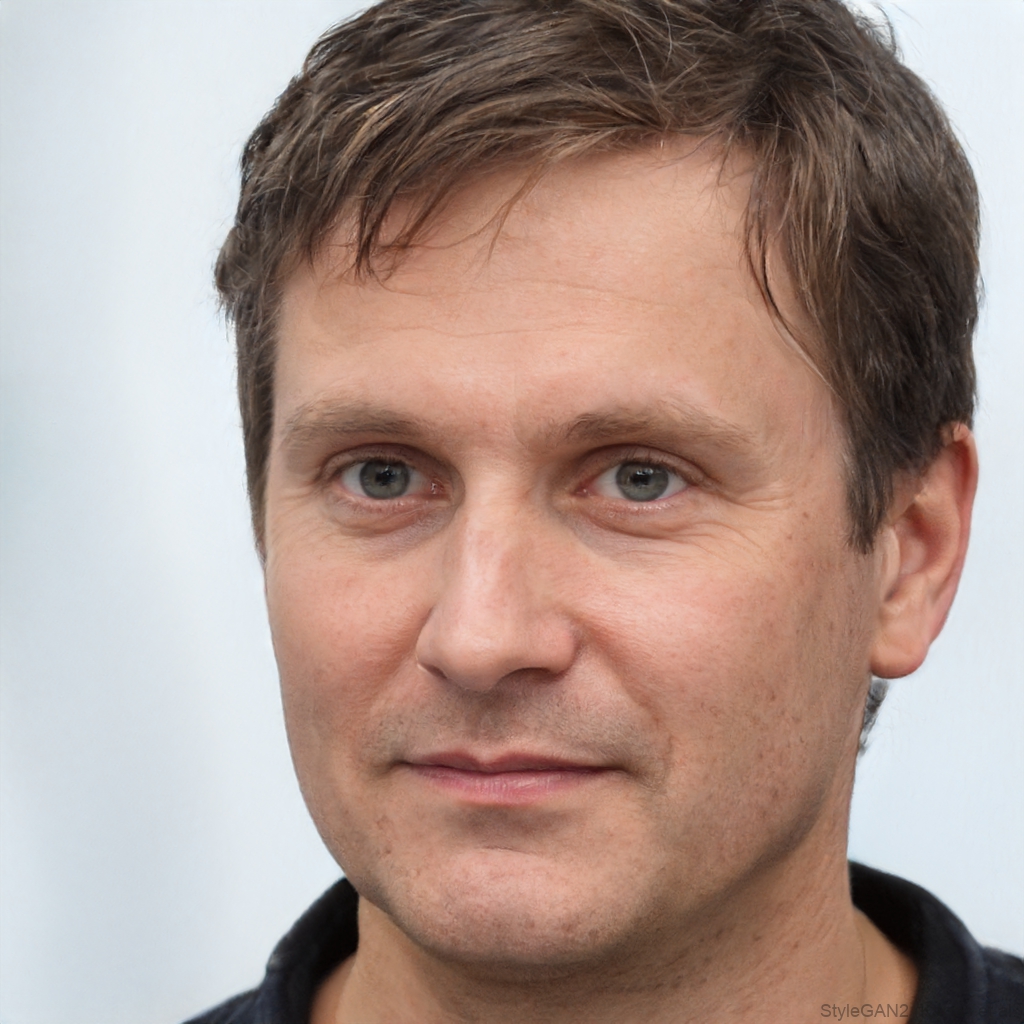
Marcus Veltrino
“Without data, you’re just another person with an opinion.”
— W. Edwards Deming
Marcus Veltrino designs the experiment frameworks that underpin every ranking test published on KatvTech. His background is in software engineering, where reproducibility is not a preference but a baseline requirement. That same standard applied to SEO research is what KatvTech’s methodology is built on.
How Marcus approaches SEO research
Most SEO practitioners learn by doing. They publish content, watch rankings move, and draw conclusions from the outcome. Marcus does the same thing, with one difference: he changes only one thing at a time and waits long enough to be reasonably confident the result was not caused by something else.
That discipline comes from software engineering, where shipping a build with multiple simultaneous changes and then trying to diagnose which change caused a production error is considered a rookie mistake. Marcus brought the same thinking to SEO in 2023 when he started running his first controlled ranking tests on personal projects. The results were inconsistent with the advice he had been reading. That inconsistency became the foundation of what KatvTech publishes today.
What Marcus focuses on at KatvTech
Marcus leads all experiments in the Ranking Experiments category. His particular areas of focus are:
- Schema markup impact. Whether and by how much specific schema types influence ranking speed, People Also Ask appearances, and AI Overview citation rates on new and established domains.
- Internal linking architecture. How different internal linking structures, specifically pillar and cluster versus flat linking, affect the speed at which new content earns organic visibility.
- Google core update pattern analysis. Identifying the consistent signals across winning and losing sites after each confirmed update, separating observable patterns from community speculation.
- Indexing speed variables. What technical and structural factors influence how quickly new content on a new domain gets discovered and indexed by Google’s crawlers.
Marcus on the current state of SEO research
The SEO industry has a publishing problem. The incentive structure rewards confident advice over honest uncertainty. A post titled “The Definitive Guide to Ranking in 2026” gets more clicks than “Here Is What We Tested, Here Is What We Found, Here Is Why You Should Be Cautious About Applying It To Your Situation.” The first post is almost always less useful than the second.
Marcus’s position is that SEO should be treated as a testable discipline with documented methodology, reproducible conditions, and explicitly stated limitations. Not every question has a clean answer. Not every experiment produces a clear result. Publishing the ambiguous results alongside the clear ones is part of what makes the research credible.
Experiments led by Marcus Veltrino
Every experiment article Marcus has authored includes the full five-part methodology: hypothesis, setup, metrics, results, and limitations. His articles are listed below. Each one documents a specific variable, the conditions under which it was tested, and the outcome measured through Google Search Console over a defined period.
If you want to suggest an experiment for Marcus to run, use the contact page. Submissions that include a specific hypothesis and a practical application are prioritised over general topic suggestions.
See Posts from Marcus

How to Get ChatGPT to Recommend Your Brand
Someone asks ChatGPT for a product recommendation in your category, and it names three competitors, never you. How to get ChatGPT to recommend your brand is a fundamentally different question than how to rank on Google, since ChatGPT is not producing a ranked list of…

Parasite SEO: How It Worked and Why It Stopped
For years, one of the more reliable SEO arbitrage plays involved publishing content on a large, trusted domain’s coupon page, forum, or subdirectory, letting that domain’s existing authority carry thin, often outsourced content straight to the top of results. Parasite…

Google AI Mode vs AI Overviews: The Real Differences
Two AI-powered Google products, both citing sources, both answering questions directly on the search results ecosystem, get confused constantly despite working in fundamentally different ways. Google AI Mode vs AI Overviews is not a subtle distinction, and optimizing…