
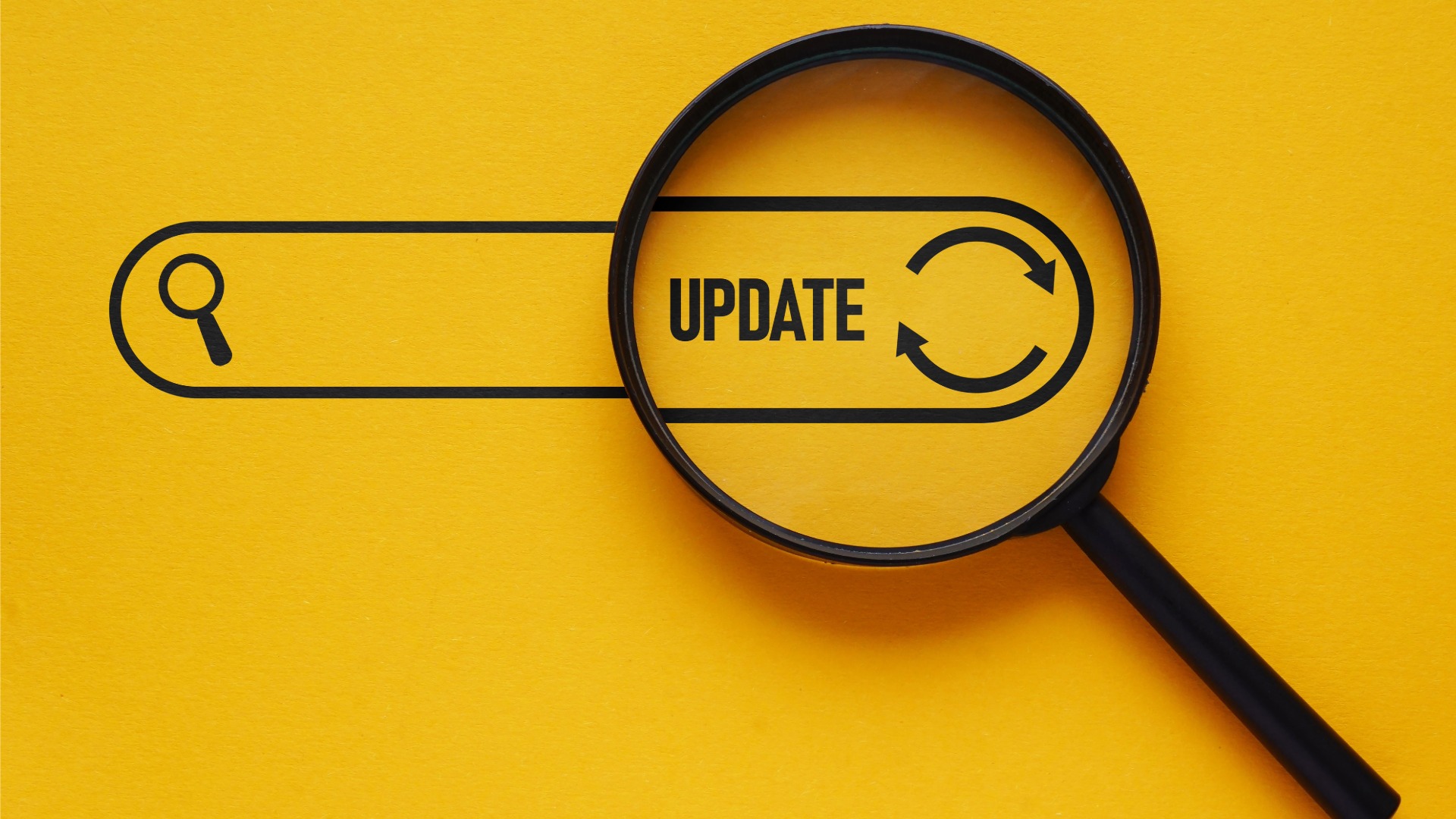
Confirm the Timeline Before Doing Anything
Before making a single change, verify a core update actually rolled out during your traffic drop by checking Google's Search Status Dashboard against your own analytics timing. Core updates typically take one to four weeks to fully roll out, and Google explicitly advises against reacting mid-rollout, since rankings fluctuate significantly while the update is still deploying. Wait at least a week after the rollout completes before drawing any conclusions from Search Console data.

The Realistic Algorithm Update Recovery Timeline
Once you confirm the cause and begin genuine improvements, expect a multi-stage process rather than a single fix. Initial movement from real improvements sometimes shows within two to six weeks, but full, confirmed recovery has historically required the next major core update, which for years ran on a three to four month cadence. That cadence has compressed somewhat in 2026, with gaps between major core updates shrinking to as little as six weeks in some cases, which means the wait for full reassessment can be shorter than the older three-to-six-month rule of thumb, but it is still not instant, and structural content issues typically take two to six months to fully resolve regardless of update timing.
What Actually Moves the Needle
Broad content quality work outperforms narrow technical fixes for algorithm update recovery specifically, since core updates reassess holistic site quality rather than isolated technical signals. That means genuinely improving thin or outdated pages, strengthening demonstrated expertise and authorship, and removing content that exists mainly to capture search traffic rather than serve a real reader. Testing which specific changes actually move the needle, rather than applying every piece of generic advice at once, is the more disciplined path; our running list of seo test ideas and cases includes several candidates specifically aimed at the kind of holistic quality signals core updates evaluate.
The Trap of Reacting Too Fast
Making sweeping changes mid-rollout, before an update finishes deploying, is one of the most common mistakes in algorithm update recovery, since the data during that window reflects transitional noise rather than the update's actual settled effect. A second common trap is treating recovery as purely a content-volume problem when the real issue is something narrower and more systemic, like a pattern that drifted into policy-violation territory over time; if a large content library was built through aggressive automation or scaling with limited editorial oversight, the deeper fix may need to address scaled content abuse directly rather than simply polishing existing pages.
Recovery Looks Different as Search Diversifies
Traditional core update recovery focuses entirely on classic organic rankings, but visibility increasingly extends into AI-generated answers that draw on different signals and different timelines entirely. A site can be mid-recovery on classic search while already earning or losing ground in a completely separate channel; our research into chatgpt seo covers how that parallel recovery process works, and how its timeline does not necessarily track the classic core update cadence at all. Algorithm update recovery is slow by design, and the honest timeline is months, not weeks. Confirm the cause, prioritize broad quality work over narrow fixes, and resist the urge to declare victory or defeat before the next update has actually run.

David Brauksworth is KatvTech’s Technical SEO Analyst, specializing in Core Web Vitals, crawl budget, and site architecture. He runs controlled CWV and indexing experiments and tracks pattern shifts across Google’s core and spam updates.