
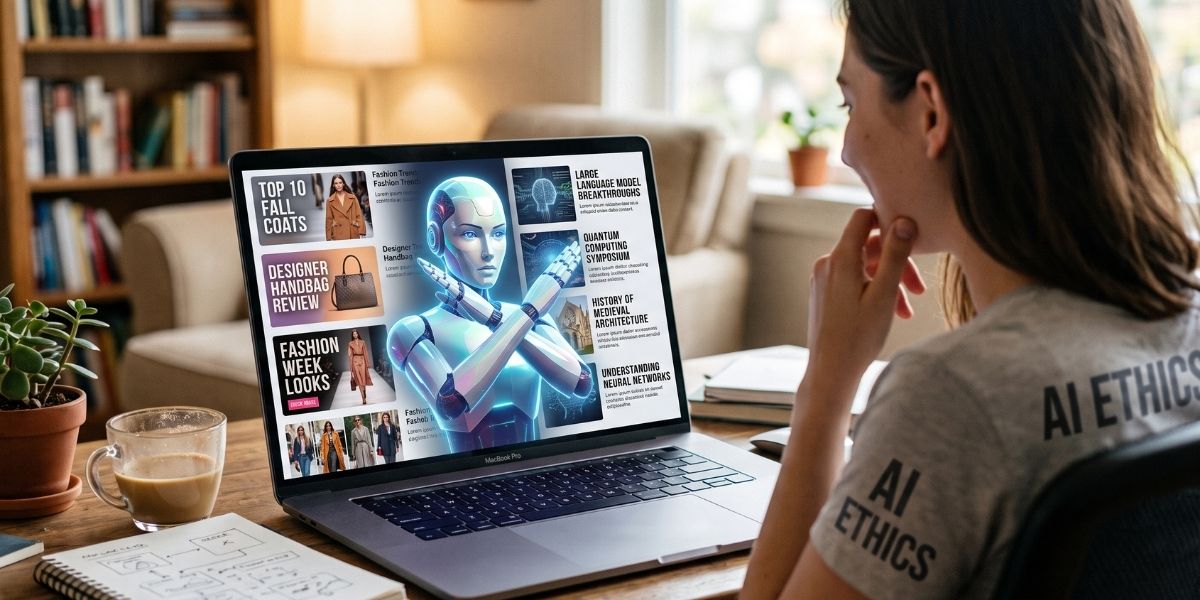
Fashion content AI search visibility often lags behind other niches for a few predictable reasons. Much of it is trend commentary rather than clear answers to specific questions, it goes out of date quickly, and it frequently reads as promotional because of affiliate links and product roundups. AI-generated answers work best with content that answers a precise question clearly and stays accurate over time. The fashion content that tends to fare better is practical styling guidance, explanations of fit and fabric, and fashion history, all written by clearly identified authors and structured so the answer is easy to find.
As with any discussion of AI search, it is important to separate what is known from what is inferred. Google has said its AI features rely on the same core ranking systems as regular search and that no special optimization or markup is required to appear in them. No AI search provider publishes how it chooses which pages to cite. What follows is based on that guidance, on how AI-generated answers are generally constructed, and on patterns widely observed by publishers.
Why Trend Content Is Hard to Cite
AI answers are built to respond to a question with a clear, supportable summary. A query like "how should a blazer fit across the shoulders" has a practical answer. A query about why a particular aesthetic is trending is far more subjective, and the most interesting trend writing is often opinion and interpretation rather than a single extractable statement.
That does not make trend content less valuable to readers. It means its strength, insight and perspective, is not the kind of thing an AI summary is designed to lift.
The Shelf Life Problem
Fashion moves fast. A piece declaring what everyone will wear this season can be out of date within months, and a recommendation tied to specific products can become irrelevant when those items sell out or are discontinued. Content with a short accuracy window is a weaker foundation for any system that aims to give dependable answers.
Evergreen fashion content, on the other hand, keeps its value. How to measure for the right fit, how to care for wool, how to build a capsule wardrobe, and what defines a particular style are all questions with answers that remain useful for years.
The Promotional Signal
Much fashion content sits close to commerce. Product roundups, affiliate links, and brand partnerships are a normal part of how fashion publishers earn money. The challenge is that content built mainly around pushing products can read more like marketing than guidance.
Google's guidance on helpful content asks whether a page exists primarily to help people or primarily to attract search traffic and drive conversions. Fashion content that offers genuine, independent advice, with clear disclosure of any commercial relationships, is better aligned with that standard than thin product lists. That principle applies to regular search and, by extension, to the AI answers built on top of it.

The Fashion Content AI Search Formats That Fare Better
Practical styling guidance is the strongest format. Content that answers specific questions, such as what shoes work with wide-leg trousers or how to dress for a business casual office, has clear, lasting answers.
Fit and fabric explainers are similarly strong. Explaining the difference between merino and cashmere, or how to tell whether a jacket fits properly, is factual and useful.
Fashion history and cultural context also hold up well. Documented facts about when a style emerged, who popularized it, and why it mattered are stable and verifiable, which makes them a natural fit for factual answers.
Make Expertise Visible
Who wrote a piece matters for credibility, especially in a niche full of anonymous listicles. Clear bylines, author bio pages describing real experience, and transparent editorial standards help readers judge whether advice is trustworthy. Google's quality guidance places weight on experience and expertise, and making those visible on the page supports trust in both traditional and AI-driven search.
The key is honesty. Author profiles should describe genuine experience, and any claims about credentials should be accurate.
Structure Content Around the Answer
The single most useful writing change is to lead with the answer. If a section is titled "How Should a Blazer Fit," the first sentence beneath it should answer the question directly, followed by the detail. This helps readers who are scanning and makes the key information easy to find for any system summarizing the page.
Clear headings phrased as real questions, short focused sections, and lists where the content naturally calls for them all improve readability and make the page easier to understand.
A Note on Structured Data
Structured data still has a role, but expectations should be realistic. Google significantly limited FAQ rich results in 2023, showing them mainly for well-known government and health sites, and it retired HowTo rich results the same year. Markup can still help search engines understand a page, but it is not a shortcut into AI answers, and it should always describe content that is genuinely on the page.
The Bottom Line
Fashion content gets passed over in AI search mostly because so much of it is subjective, short-lived, or heavily promotional. Publishers who want more visibility should keep their trend coverage for readers who love it, while building a solid base of evergreen styling advice, fit and fabric explainers, and fashion history, written by visible experts and structured so the answer comes first.

Sana Morikofte is KatvTech’s AEO & AI Search Specialist, focused on AI Overview citation mechanisms and source selection patterns across ChatGPT and Perplexity. She designs experiments testing entity optimization, schema markup, and content structure, and has tracked citation behavior across hundreds of AI-generated search responses.